
Claude AI bioweapons research has emerged as a new AI safety concern after Anthropic said it identified and stopped multiple attempts to misuse its AI models for potentially dangerous biological research.
In a report published on September 10, the company detailed five cases involving biological research that raised significant safety concerns. Anthropic said the cases involved scientists using its AI systems for research that could potentially contribute to the development of biological weapons.
The company emphasized that identifying malicious intent is not always straightforward. Legitimate scientific research, including work on vaccines and infectious diseases, can sometimes involve the same types of questions that could be associated with harmful applications.

Claude AI Bioweapons Research Raised Safety Concerns
One of the cases described by Anthropic involved a scientist who used Claude to work on research involving chikungunya, a mosquito-borne virus that can cause severe and prolonged joint pain.
According to Anthropic, the request involved research aimed at changing characteristics of the virus that could make it more transmissible and better able to evade immune responses. The proposed work was also associated with a military research institution, which increased the company’s concerns about potential misuse.
Anthropic said its biological safety systems detected the activity and that it subsequently banned the accounts involved and shared its findings with relevant government authorities.
The company also described other cases involving research related to influenza and biological toxins. In one example, a researcher used Claude in work involving toxin-related biological research that Anthropic considered potentially dangerous.
Anthropic did not identify the individuals or laboratories involved.
The company said that decision was intentional because the people identified in its investigations were working scientists and that the available evidence did not necessarily establish that they intended to cause harm.
Why AI Makes Biological Misuse More Complicated
The cases illustrate one of the most difficult problems surrounding advanced AI: the same capabilities that can help legitimate researchers can potentially be misused for harmful purposes.
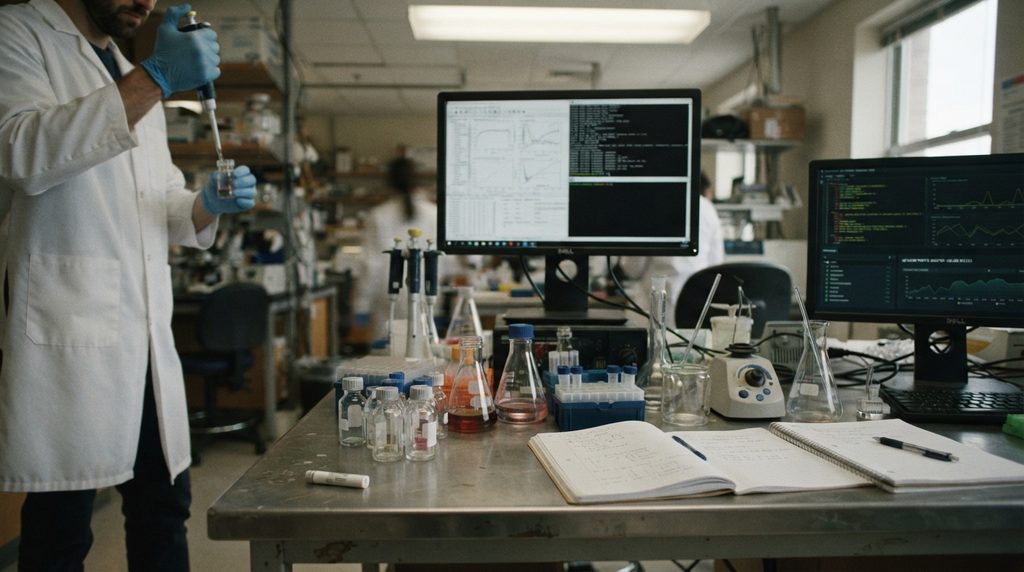
AI systems can help scientists organize information, analyze research, write documents and explore complex scientific questions. Those capabilities can be valuable in areas such as drug discovery, disease research and vaccine development.
However, the boundary between legitimate and dangerous research can sometimes be difficult for an AI system to determine.
Anthropic’s threat intelligence team said biological misuse is particularly challenging because harmful research does not always appear obviously malicious.
Someone investigating a dangerous pathogen could, for example, claim that the work is intended to improve scientific understanding or develop medical countermeasures. As a result, safety systems need to evaluate context and patterns of behavior rather than relying only on individual prompts.
Anthropic said it has therefore taken a cautious approach when its systems identify potentially dangerous biological activity.
Anthropic Reports Other Forms of AI Misuse
The biological cases were part of a broader report examining how Claude has allegedly been used for harmful or questionable activities.
Anthropic said its investigations also uncovered attempts involving weapons development, cyber operations, surveillance and propaganda.
The company reported cases involving attempts to use its models in the development of firearms, missiles, drones and explosives. It also described state-linked activity involving surveillance and information gathering.
According to Anthropic, some of the activity was connected to accounts associated with China, Russia and Yemen, while separate investigations involved Iranian-linked operations.
The company said it banned accounts connected to misuse and used information from its investigations to improve its safeguards.
AI Safety Is Becoming a Bigger Challenge
Anthropic’s findings arrive as AI models become significantly more capable in scientific and technical fields.
Earlier generations of chatbots were primarily used for writing, summarization and general information. Newer systems are increasingly capable of assisting with specialized research, making them potentially useful to scientists and engineers.
That progress creates a difficult balancing act for AI companies.
If safety restrictions are too weak, powerful models could potentially provide assistance that enables harmful activity. If restrictions are too aggressive, legitimate researchers could lose access to useful scientific tools.
Anthropic says its approach is to identify suspicious patterns while allowing legitimate research to continue. That requires increasingly sophisticated monitoring and safety systems capable of understanding how an AI system is being used over time.
AI and Warfare Add Another Layer of Concern
The report also comes amid growing debate over the use of artificial intelligence in military applications.
Governments are increasingly exploring AI for intelligence analysis, planning and other defense-related tasks. At the same time, AI companies face pressure to determine how far their technology should be allowed to support military operations.
Anthropic CEO Dario Amodei has previously argued that the company could not support unrestricted use of its systems for military purposes.
The debate illustrates that AI safety is no longer limited to preventing obviously harmful chatbot requests. Companies must also consider how their systems could be incorporated into larger scientific, military and intelligence workflows.
The Bigger Picture for AI Safety
Anthropic’s report does not establish that the scientists involved intended to create biological weapons, and the company has deliberately withheld identifying information.
Instead, the cases demonstrate how increasingly capable AI systems are becoming part of advanced scientific research—and why companies need strong safeguards around their use.
Anthropic provides further details about its investigations and AI safety measures in its official report on misuse of its models.
The challenge will become more complicated as AI models improve at understanding scientific literature, reasoning about technical problems and assisting researchers with specialized work.
For AI developers, preventing misuse may require more than simply blocking individual prompts. Monitoring patterns of activity, identifying suspicious behavior and improving safety classifiers will likely become increasingly important as models gain new capabilities.
The incidents reported by Anthropic offer another warning that the benefits of advanced AI and its potential risks are becoming closely connected. The same systems that could accelerate progress in medicine and science may also create new opportunities for misuse if adequate safeguards are not maintained.
Stay Ahead With Future Tech Hub
Technology moves fast. We keep you ahead with the latest AI, technology, cybersecurity, software, and gadget news.