
Apple’s iPhone 18 Pro and iPhone 18 Pro Max introduce improvements to photography, processing power, battery life, and charging. However, the latest models retain much of the design and display technology found in the iPhone 17 Pro lineup.
The biggest changes are inside the devices. Apple has introduced a new A20 Pro processor, a variable-aperture main camera, and longer battery-life estimates. These upgrades could matter to photographers, gamers, and people who use their phones heavily, but they may offer less reason to upgrade for owners of last year’s models.
Here’s how the iPhone 18 Pro compares with the iPhone 17 Pro and where the differences are most noticeable.

iPhone 18 Pro vs. iPhone 17 Pro: Key Differences
The two generations share several important features, including OLED displays, 120Hz refresh rates, three rear cameras, and an aluminum body. The newer models concentrate their changes on camera flexibility, chip performance, and battery endurance.
| Feature | iPhone 17 Pro | iPhone 18 Pro |
|---|---|---|
| Processor | A19 Pro | A20 Pro |
| Main camera | 48MP, fixed aperture | 48MP, variable aperture |
| Display | 6.3-inch OLED | 6.3-inch OLED |
| Refresh rate | Up to 120Hz | Up to 120Hz |
| Dynamic Island | Standard size | Smaller cutout |
| Rear Cinematic video | Up to 4K/30fps | Up to 4K/60fps |
| Video playback | Up to 33 hours | Up to 36 hours |
| Wired charging | 50% in about 20 minutes | 50% in about 15 minutes |
Battery figures refer to Apple’s stated ratings for the standard models. Actual results depend on usage and conditions.
Design: Familiar Appearance With New Colors
Apple has carried forward the aluminum unibody construction used in the iPhone 17 Pro generation. The overall dimensions remain unchanged, so the iPhone 18 Pro and iPhone 18 Pro Max have the same general footprint as their predecessors.
There is, however, a small increase in weight. The iPhone 18 Pro weighs 7.44 ounces, compared with 7.27 ounces for the iPhone 17 Pro. The Pro Max rises from 8.22 to 8.78 ounces, making the difference more noticeable on the larger model.
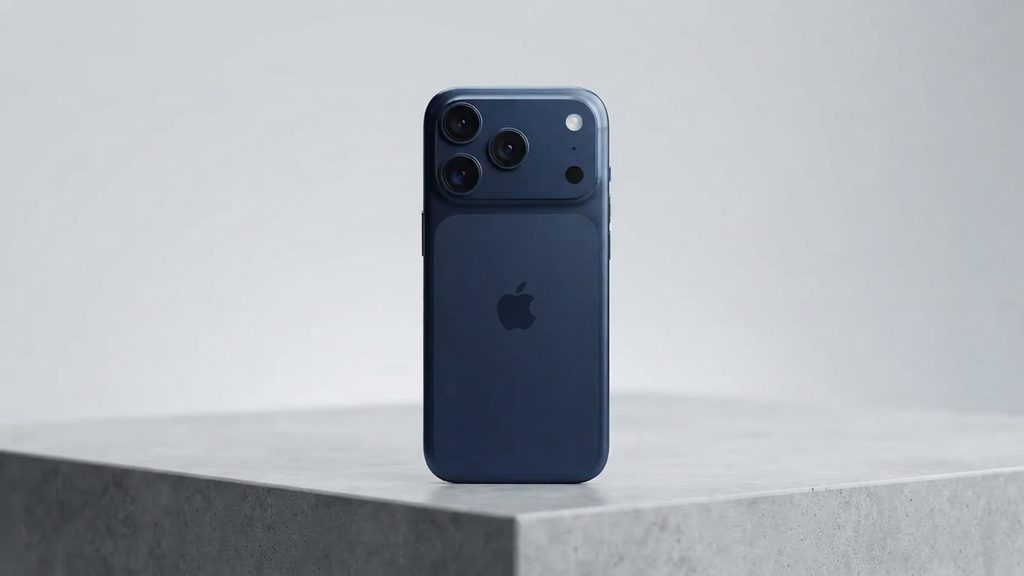
Both generations retain Ceramic Shield protection on the front, Ceramic Shield on the back, and IP68 water resistance. The more visible design change is the updated color selection. The iPhone 18 Pro lineup introduces Black, Silver, Glacier, and Burgundy, replacing the previous generation’s Cosmic Orange, Deep Blue, and Silver finishes.
For people who were hoping for a substantial redesign, the latest models may look very familiar. The new colors provide a more obvious way to distinguish the generations.
Display: Smaller Dynamic Island, Same Core Technology
The iPhone 18 Pro continues to use a 6.3-inch OLED display, while the Pro Max features a 6.9-inch panel. Both support refresh rates of up to 120Hz, always-on functionality, and outdoor brightness of up to 3,000 nits.
The main display change is a smaller Dynamic Island. Apple has redesigned the area around Face ID, allowing infrared components to work beneath the display while reducing the size of the visible cutout.
The newer phones can also display up to three ongoing Live Activities simultaneously, compared with two on the iPhone 17 Pro series.
For everyday use, the display experience should remain familiar. The Pro is still the more compact option, while the Pro Max provides more room for watching videos, reading, and using multiple apps.
Camera: Variable Aperture Is the Biggest Upgrade
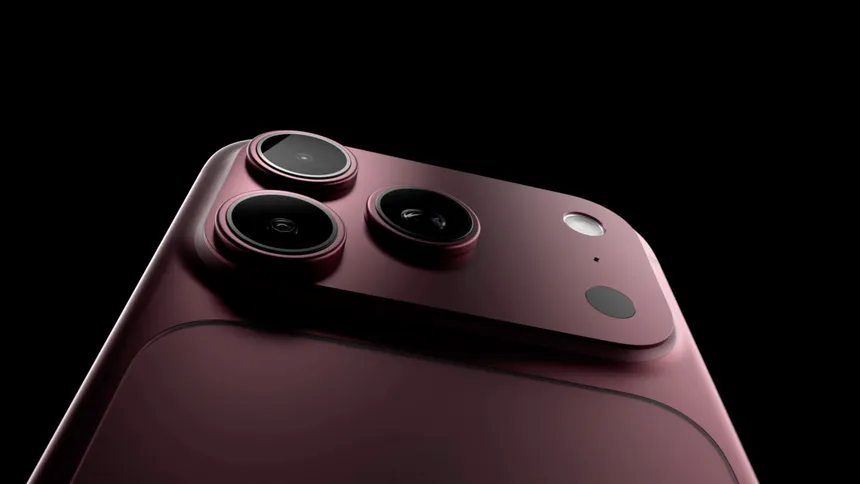
Photography is one of the most significant areas of improvement in the iPhone 18 Pro lineup. Both generations have a 48-megapixel main camera, but the newer models introduce a variable-aperture system.
The iPhone 17 Pro uses a fixed f/1.78 aperture. The iPhone 18 Pro can switch between f/1.48, f/1.8, f/2.8, and f/4.0. This gives photographers more control over how much light reaches the sensor and how much of a scene remains in focus.
A wider aperture can help in low-light conditions and create stronger separation between a subject and its background. A narrower aperture can keep more of the scene sharp. The iPhone can select settings automatically, while manual controls give users additional flexibility.
Apple has also added manual shutter-speed and white-balance adjustments, alongside an on-screen histogram. These features provide more control for people who want to move beyond automatic photography.
The Ultra Wide and 4x Telephoto cameras remain 48 megapixels, with their listed specifications unchanged from the previous generation.
Video recording receives an improvement as well. Cinematic mode on the rear camera now supports 4K at 60 frames per second, up from 4K at 30 frames per second on the iPhone 17 Pro. The front camera remains limited to 4K at 30 frames per second in Cinematic mode.
Another addition is Apple Reference Image, which can preserve sensor-signed RAW data alongside a processed photograph. This can help users compare an original capture with edited versions, making it potentially useful for journalists and photographers who need to document image integrity. It requires a special shooting mode rather than working automatically with every photo.
Photographic Styles 3 also brings new texture and grain adjustments, offering more creative options for people who want to customize the appearance of their images.
A20 Pro Chip: More Power for AI and Graphics
The iPhone 18 Pro uses Apple’s A20 Pro chip, replacing the A19 Pro found in the iPhone 17 Pro. The new processor is built using a 2-nanometer manufacturing process, compared with the previous chip’s 3-nanometer process.
Apple says the A20 Pro delivers 50% more memory bandwidth and up to 40% faster graphics performance. The GPU now has seven cores instead of six, while integrated Neural Accelerators are designed to support demanding AI workloads.
The updated Neural Engine also has a revised architecture, with Apple claiming twice the AI processing power. These changes could benefit on-device AI features, image processing, and demanding applications.
Apple has also redesigned the internal cooling arrangement around the processor and a next-generation vapor chamber. Better heat management can help a phone maintain performance during longer periods of intensive use, although real-world results will depend on the workload and environment.
For everyday activities such as messaging, browsing, and streaming, the difference may be less obvious than it is in gaming, video work, or other demanding tasks.
Battery Life and Charging: A Bigger Gain for Pro Max
Battery life is another important distinction between the two generations, particularly for people considering the larger Pro Max.
Apple rates the iPhone 18 Pro for up to 36 hours of video playback, compared with 33 hours for the iPhone 17 Pro. For streamed video, the figures rise from 30 to 33 hours.
The Pro Max sees a larger increase. Its video-playback rating moves from 39 hours to 45 hours, while streamed-video playback rises from 35 to 40 hours.
Apple has also introduced a typical-use battery estimate for the new lineup: up to 24 hours for the iPhone 18 Pro and up to 30 hours for the Pro Max. Comparable typical-use figures were not provided for the iPhone 17 Pro models.
Charging speeds have improved, too. With a compatible 60W or higher adapter that supports Adjustable Voltage Supply, the iPhone 18 Pro models can reach 50% charge in approximately 15 minutes. The iPhone 17 Pro models were rated for around 20 minutes with a compatible 40W or higher adapter.
Wireless charging remains unchanged, with MagSafe and Qi2 support rated at up to 25W.
These improvements make battery life one of the clearest practical reasons to consider the newer generation, especially if you prefer a larger screen and spend long periods away from a charger.
Should You Upgrade From the iPhone 17 Pro?
The iPhone 18 Pro is an incremental upgrade rather than a complete redesign. Its most meaningful changes are aimed at specific uses: the variable-aperture camera adds photographic flexibility, the A20 Pro provides more processing headroom, and the battery improvements offer longer rated endurance.
For people who regularly take photos, record video, play demanding games, or rely on their phones throughout the day, these changes may be useful. The smaller Dynamic Island and additional Live Activities also refine the everyday experience, although they are less substantial reasons to replace a recent phone.
Owners of the iPhone 17 Pro who are satisfied with its camera, performance, and battery may find that the new generation does not change their experience enough to justify upgrading immediately.
The iPhone 18 Pro Max has a stronger case for people who prioritize battery life and a large display, but its increased weight is worth considering. The standard Pro remains the more compact choice and receives the same major camera and processor improvements.
Ultimately, the decision depends on which features matter most. The iPhone 18 Pro series brings meaningful technical changes, but the value of those changes will vary considerably depending on how you use your phone.
Stay Ahead With Future Tech Hub
Technology moves fast. We keep you ahead with the latest AI, technology, cybersecurity, software, and gadget news.