
Trump’s AI data center expansion is accelerating the construction of massive computing facilities across the United States, but the rapid growth of AI infrastructure is also raising concerns about pollution, energy consumption, and public health.
Former U.S. Environmental Protection Agency officials are warning that efforts to accelerate AI infrastructure could come at the expense of environmental protections. Their concerns center on the increasing amount of electricity required by data centers and the fossil-fuel infrastructure being developed to meet that demand.
Former U.S. Environmental Protection Agency officials are warning that efforts to accelerate AI infrastructure could come at the expense of pollution controls and environmental protections. Their concerns center on the increasing amount of electricity required by data centers and the fossil-fuel infrastructure being developed to meet that demand.
The debate highlights a growing question surrounding the AI boom: how much environmental impact should be accepted in exchange for faster development of artificial intelligence?
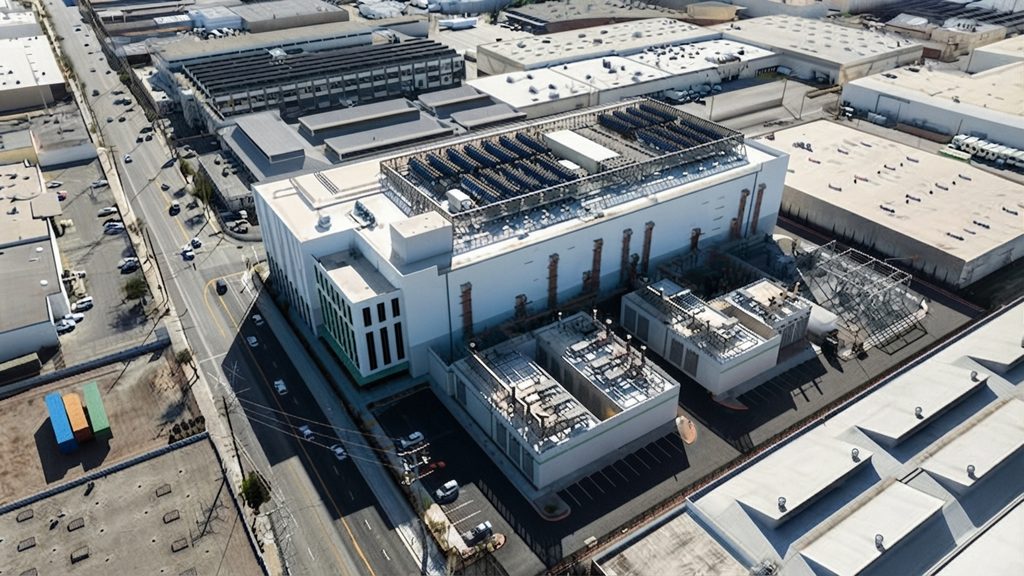
AI’s Data Center Boom Is Increasing Energy Demand
Modern AI systems require enormous amounts of computing power. Training large models and operating AI services can require thousands of specialized processors running continuously inside large data centers.
As demand for AI services grows, technology companies are investing heavily in new facilities and additional electricity generation.
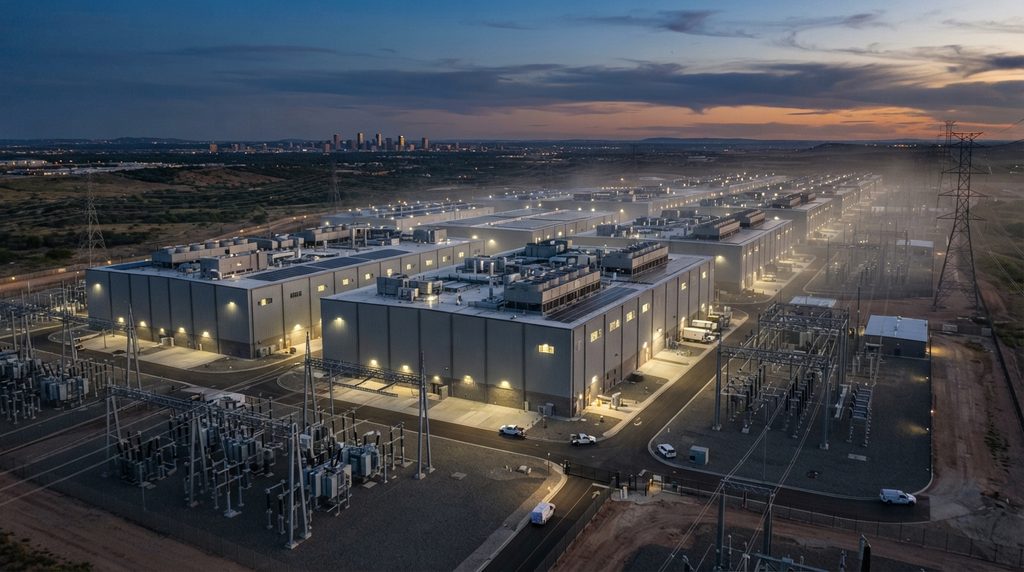
That has created pressure to bring new power capacity online quickly. In some areas, natural gas and other fossil-fuel sources are being considered or deployed to provide the reliable electricity needed by data centers.
The environmental consequences can extend beyond the communities where the facilities are located.
Power plants can produce air pollutants and greenhouse gas emissions, while the manufacturing of advanced semiconductors can involve chemicals that create additional environmental challenges.
Former EPA Officials Raise Health Concerns
The Environmental Protection Network, an independent organization that includes former EPA employees, released a report examining potential health consequences associated with the rapid expansion of AI data centers.
According to the organization, it identified 30 federal actions since January 2025 that it believes could increase risks associated with pollution from the growing data center industry.
Seventeen of those actions specifically referenced AI or data centers, according to the report.
The former officials argue that weakening environmental rules while accelerating data center construction could make it more difficult to control pollutants affecting communities.
Their concerns include changes involving air pollution standards, energy policy, permitting, and other environmental regulations.
The Pollution Problem Does Not Stop at the Data Center
One of the most important issues is that a data center’s environmental footprint is not necessarily limited to the property where the servers operate.
A facility consumes electricity, and that electricity has to come from somewhere.
When additional power comes from fossil-fuel generation, emissions can occur at power plants located far from the data center itself. Infrastructure built to support new electricity generation can also create additional environmental impacts.
This means people living far away from an AI facility can potentially be affected by the energy systems supporting it.
The supply chain adds another layer. Advanced AI processors require sophisticated semiconductor manufacturing, which relies on significant amounts of energy, water, and industrial chemicals.
As AI hardware production expands, so does the importance of understanding its environmental footprint.
Trump’s AI Data Center Push Faces Environmental Scrutiny
The concerns come as the Trump administration has made expanding America’s AI capabilities a major policy priority.
The administration has promoted the United States as a global leader in artificial intelligence while pursuing policies intended to accelerate infrastructure development.
The White House’s AI Action Plan, released in 2025, called for reducing or streamlining certain regulatory requirements in areas including environmental permitting. The goal is to make it easier and faster to build data centers, semiconductor facilities, and other infrastructure considered important to AI development.
Supporters argue that excessive regulation could slow investment and make it harder for the United States to compete in the global AI race.
Critics counter that speeding up construction should not mean weakening safeguards designed to protect air, water, and public health.
That tension is likely to become more important as AI infrastructure expands.
Natural Gas Is Becoming Part of the AI Power Strategy
Electricity availability has become one of the biggest challenges facing the data center industry.
Large AI facilities can consume enormous amounts of power, and some projects are turning toward natural gas as a dependable source of electricity.
In some cases, companies are considering or installing gas turbines close to data center facilities. Elsewhere, new power generation projects are being developed with data center demand in mind.
Natural gas can provide reliable electricity, but burning it produces carbon dioxide and other pollutants.
The result is a difficult trade-off: data center operators need dependable electricity, while communities and policymakers are increasingly concerned about the environmental consequences of producing it.
AI’s Environmental Cost Is Becoming Harder to Ignore
The environmental debate around AI is broader than electricity consumption alone.
Data centers require cooling systems, water, land, construction materials, and extensive electrical infrastructure. AI hardware also depends on semiconductor manufacturing and complex global supply chains.
Researchers have already attempted to estimate the potential health costs associated with AI-related air pollution.
The Environmental Protection Network report identifies federal policy changes that the organization’s former EPA officials say could increase health risks associated with the data center boom.
A study involving researchers from the University of California, Riverside, Caltech, and the Rochester Institute of Technology estimated that air pollution associated with AI could contribute to up to 1,300 premature deaths and more than $20 billion in public health costs by 2028 under the scenarios examined.
Those estimates are projections rather than measurements of actual future deaths, and the ultimate impact will depend on how quickly AI infrastructure grows and how its electricity is generated.
Nevertheless, they demonstrate why the environmental consequences of AI are becoming part of the technology debate.
The AI Industry Does Not Have to Choose Between Growth and Cleaner Energy
The environmental impact of AI infrastructure is not predetermined.
Data centers can be powered by different combinations of energy sources, and operators can improve efficiency through better cooling systems, more efficient hardware, renewable energy procurement, and smarter management of electricity demand.
Government policy can also influence the outcome.
Stronger environmental monitoring and transparent reporting could help communities understand how new data center projects affect local air quality, water resources, and electricity systems.
At the same time, policymakers face pressure to avoid regulations that could unnecessarily delay infrastructure needed for technological development.
Finding the balance will become increasingly important.
A Bigger Question for the AI Boom
The rapid growth of artificial intelligence is creating enormous economic opportunities, but it is also turning AI into a physical infrastructure story.
Behind every chatbot, AI search engine, image generator, and autonomous system are servers, chips, cooling equipment, power lines, and electricity generation.
That physical infrastructure has consequences.
The United States is now competing to build AI capacity at an extraordinary pace. The challenge for policymakers is ensuring that the race does not sacrifice the environmental protections designed to keep communities safe.
AI development and environmental protection do not necessarily have to be opposing goals. But achieving both will require data centers to become more energy efficient, electricity generation to become cleaner, and environmental impacts to be measured rather than overlooked.
As the AI boom continues, the question will no longer be simply how fast can America build? It will also be how can it build without creating unnecessary health and environmental costs?
Stay Ahead With Future Tech Hub
Technology moves fast. We keep you ahead with the latest AI, technology, cybersecurity, software, and gadget news.