
Wi-Fi 6 vs Wi-Fi 7 is a comparison many people are making as newer wireless routers become more common. While Wi-Fi 7 introduces faster speeds and new networking technologies, Wi-Fi 6 remains a capable option for many homes.
Wi-Fi 7 is the newer standard and introduces technologies designed to improve throughput, latency and reliability, particularly when many devices are connected at the same time.
That doesn’t automatically mean everyone needs to upgrade. For many households, a good Wi-Fi 6 or Wi-Fi 6E router can still provide more than enough performance.

What Is Wi-Fi 6?
Wi-Fi 6, officially known as 802.11ax, was designed to improve wireless networking in environments where many devices compete for bandwidth.
Instead of focusing only on maximum theoretical speeds, the standard introduced technologies intended to make networks more efficient when smartphones, laptops, smart TVs, consoles and other connected devices are operating simultaneously.
Wi-Fi 6 also introduced improvements to technologies such as OFDMA and MU-MIMO, allowing compatible routers and devices to use available wireless capacity more efficiently.
For a typical home, Wi-Fi 6 can provide fast and reliable connections for activities such as streaming, gaming, video calls and everyday browsing.
What Does Wi-Fi 7 Add?
Wi-Fi 7, also known as 802.11be, builds on the foundation of previous generations while introducing several important improvements.
One of its biggest additions is Multi-Link Operation (MLO).
MLO allows compatible devices to use multiple wireless links simultaneously. Instead of relying on a single connection, a compatible device can potentially communicate across multiple frequency bands, helping improve throughput and connection reliability.
Wi-Fi 7 also supports 320MHz channels, which are twice as wide as the 160MHz channels available with Wi-Fi 6E. Wider channels can provide substantially more capacity, although both the router and connected device need to support them.
Another improvement is 4K-QAM, which allows more data to be transmitted during each wireless signal transmission under suitable conditions.
These technologies make Wi-Fi 7 particularly interesting for homes with demanding networks.
Wi-Fi 7 Can Be Faster, But There Is a Catch
Wi-Fi 7 has a much higher theoretical maximum throughput than Wi-Fi 6.
However, theoretical specifications don’t necessarily translate directly into the speeds you will see at home.
Your actual performance depends on several factors, including your internet subscription, router hardware, client devices, distance from the router, interference and the number of devices using the network.
For example, buying an extremely fast Wi-Fi 7 router won’t make a 300Mbps internet connection suddenly deliver gigabit speeds.
The benefits can become more noticeable when transferring files between devices on the same local network or when multiple high-bandwidth devices are active simultaneously.

Wi-Fi 6E Is Still Worth Considering
There is also an important middle ground between Wi-Fi 6 and Wi-Fi 7: Wi-Fi 6E.
Wi-Fi 6E extends Wi-Fi 6 into the 6GHz band, providing access to additional spectrum and wider channels.
For compatible devices, this can reduce congestion and provide faster connections under suitable conditions.
Wi-Fi 6E can therefore be an attractive option for people who want better wireless performance without paying the premium that some Wi-Fi 7 equipment commands.
Do You Need Wi-Fi 7?
For most households, the answer depends on the devices you already own.
If your smartphones, laptops, televisions and other equipment primarily support Wi-Fi 5, Wi-Fi 6 or Wi-Fi 6E, upgrading to a Wi-Fi 7 router may not produce a dramatic difference immediately.
The situation changes if you are buying several new devices that support Wi-Fi 7.
In that case, choosing a Wi-Fi 7 router can make more sense because you will be able to take advantage of technologies such as MLO and wider channels.
Modern home networks increasingly connect everything from smartphones and laptops to smart home gadgets.
Wi-Fi 7 can also be attractive for households with numerous connected devices, particularly where multiple people are simultaneously streaming, gaming, downloading large files or using other bandwidth-intensive services.
What About Gaming?
For gaming, raw download speed isn’t the only factor that matters.
Latency, stability and consistency can have a bigger effect on the experience.
Wi-Fi 7’s improvements to multi-link connectivity can potentially help maintain a more reliable wireless connection in congested environments.
However, serious gamers should still consider a wired Ethernet connection whenever practical. Ethernet generally provides a more predictable connection than wireless networking.
For devices that must use Wi-Fi, a properly configured Wi-Fi 6E or Wi-Fi 7 network can still provide excellent performance.
Should You Upgrade Your Router?
If your current Wi-Fi 6 router provides reliable coverage and enough speed for your household, there may be little reason to replace it immediately.
A router upgrade makes more sense when you’re experiencing congestion, poor coverage, inconsistent performance or when you’re adding several newer devices that support Wi-Fi 7.
It’s also worth checking the specifications carefully before buying.
Not every router marketed as Wi-Fi 7 necessarily provides the same feature set. Support for technologies such as 6GHz connectivity, 320MHz channels and MLO can vary between products.
Don’t choose a router solely because its box says “Wi-Fi 7.”
Wi-Fi 6 vs Wi-Fi 7: Which Should You Choose?
Wi-Fi 6 remains an excellent choice for most homes in 2026. It offers strong performance, broad device compatibility and generally affordable hardware.
Wi-Fi 6E is worth considering if you want access to the 6GHz band and have compatible devices.
Wi-Fi 7 is the better long-term option if you’re building a new high-performance network, own several compatible devices or regularly deal with heavy network congestion.
When comparing Wi-Fi 6 vs Wi-Fi 7, the biggest differences become apparent when multiple devices are competing for bandwidth. Wi-Fi 7’s newer technologies can provide greater capacity and improved performance on compatible hardware.
The important point is that Wi-Fi 7 is an investment in your network’s capabilities, rather than a guarantee of dramatically faster internet.
If your current router already handles your household’s needs without problems, there may be no urgent reason to upgrade.
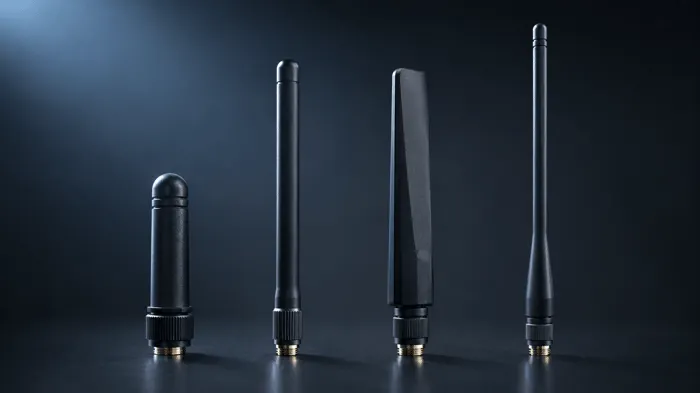
Source: Data-Alliance
Bottom Line
Wi-Fi 7 is the more advanced technology, but Wi-Fi 6 isn’t obsolete.
For a normal household with a moderate number of devices, a quality Wi-Fi 6 or Wi-Fi 6E router can still be an excellent choice. For users building a new network around the latest smartphones, laptops and other compatible hardware, Wi-Fi 7 offers more advanced features and greater potential for future performance.
The best choice ultimately depends on your devices, internet plan, home environment and budget—not simply which Wi-Fi standard has the bigger number.
Source: Engadget
This Future Tech Hub article is independently written and organized using publicly available information from the sources above.