
Intel says its Raptor Lake processors will remain an important part of its product portfolio for years, as high DDR5 memory prices push some PC buyers toward older LGA 1700 platforms.
IIntel Raptor Lake processors were released several years ago, but the platform is experiencing renewed interest as the cost of newer DDR5-based systems becomes a bigger consideration for PC builders.
In an interview with Tom’s Hardware, Intel vice president and general manager of its enthusiast channel business, Robert Hallock, said the company plans to continue offering Raptor Lake products and expects pricing and availability to become more stable over time.
The situation highlights how memory prices can influence the wider PC hardware market.
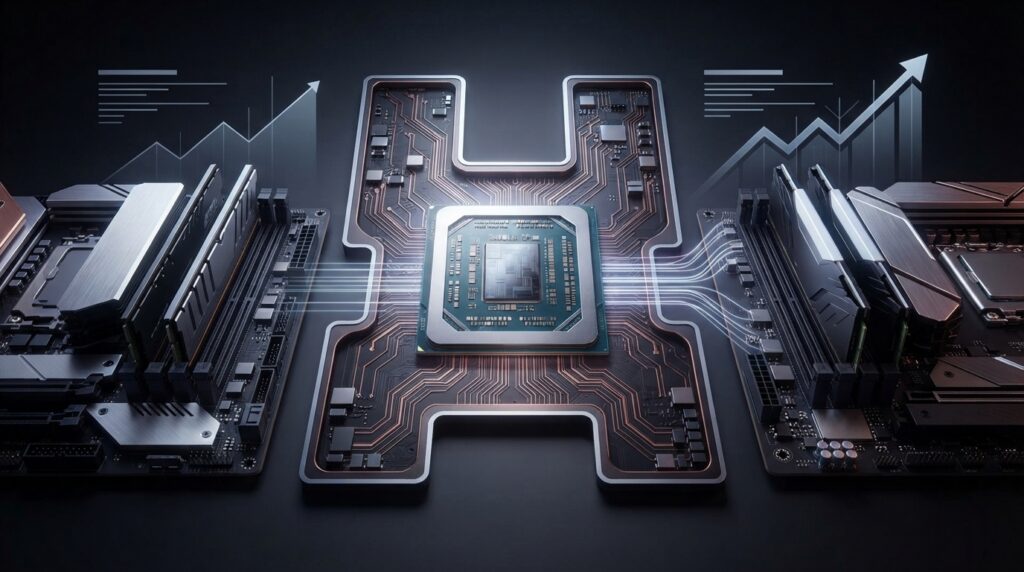
Why Intel Raptor Lake Is Seeing New Demand
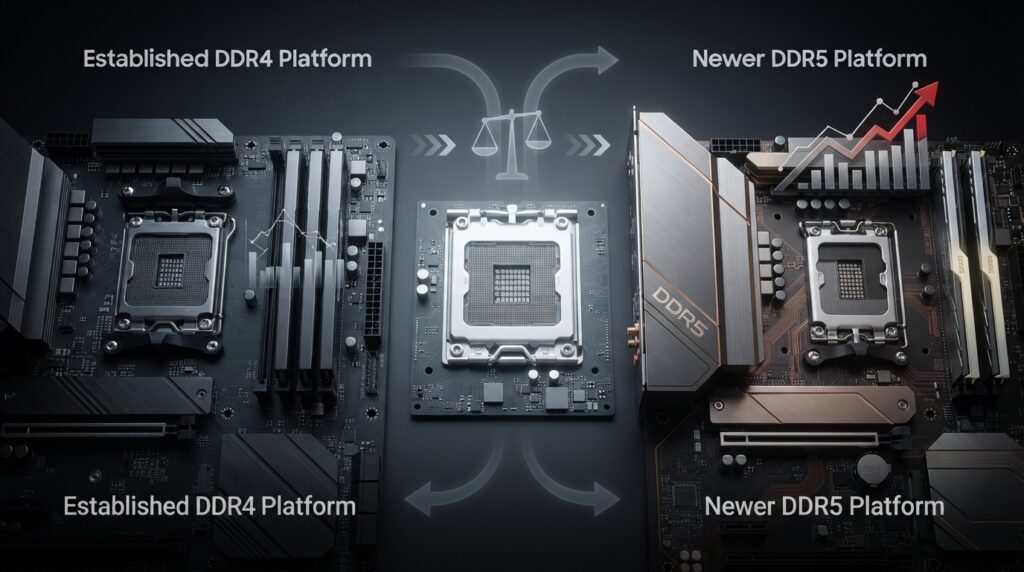
Intel Raptor Lake processors use Intel’s LGA 1700 socket, a platform that supports both DDR4 and DDR5 depending on the motherboard.
That flexibility has become particularly relevant as DDR5 prices have increased.
For someone building or upgrading a PC on a budget, moving to a newer platform can require purchasing a new motherboard, processor, and DDR5 memory.
A system based on LGA 1700 and DDR4 can provide another option for buyers who already have compatible components or want to avoid the additional cost of DDR5.
Hallock said Intel has seen a “sudden inrush of demand” for Raptor Lake and other LGA 1700 processors.
The company reportedly did not anticipate the increase in demand when production plans were originally made.
Intel Plans to Keep Raptor Lake Around
According to Hallock, Raptor Lake remains an important part of Intel’s product portfolio.
He described the architecture as a “core part of the portfolio” that Intel wants to continue offering for years to come.
The company also expects pricing and inventory conditions to improve over time.
That doesn’t necessarily mean Raptor Lake will replace Intel’s newer processor generations. Instead, the older platform gives Intel another option for customers looking for more affordable hardware.
The continued availability of these processors could also help PC builders who specifically want to use DDR4 memory.
DDR5 Prices Are Changing PC Upgrade Decisions
DDR5 was introduced as the successor to DDR4 and has become standard across newer PC platforms.
However, higher memory prices can significantly increase the cost of building a new computer.
This creates an unusual situation where an older CPU platform can become attractive again.
A buyer who doesn’t need the newest hardware may prefer a less expensive LGA 1700 system, particularly if they already own DDR4 memory.
The renewed interest also appears to be affecting motherboard availability.
Tom’s Hardware previously reported that motherboard manufacturers were increasing production of DDR4-compatible boards using the LGA 1700 platform.
Gigabyte has also introduced another LGA 1700 motherboard with DDR4 support, showing that manufacturers are responding to continued interest in the older platform.
Raptor Lake Pricing Has Become More Complicated
The increase in demand has also affected the pricing and availability of some Intel Raptor Lake processors.
Tom’s Hardware reports that the Core i5-14600K, which previously sold for around $200 or less for much of last year, has increased to around $250 or more in some listings.
The Core i7-14700K has also seen prices rise compared with its previous levels.
Limited inventory can make the situation more complicated for consumers.
An older processor is not necessarily a bargain if demand pushes its price too close to that of newer alternatives.
For buyers considering an LGA 1700 system, comparing the total cost of the processor, motherboard, and memory is therefore more important than looking at CPU pricing alone.
Why DDR4 Still Matters
One of the biggest advantages of the LGA 1700 platform is its support for DDR4 on compatible motherboards.
DDR4 is an older memory standard, but it remains widely available and can be significantly more attractive to budget-conscious PC builders when DDR5 prices are high.
However, DDR4 is not always the fastest option.
Tom’s Hardware’s testing has found that DDR4 can become a performance bottleneck in some gaming scenarios when paired with LGA 1700 processors.
That means buyers need to consider the type of workload they care about.
Someone building an affordable general-purpose PC may be perfectly satisfied with DDR4, while a gaming enthusiast looking for maximum performance may benefit from a newer platform and faster memory.
Raptor Lake Could Get Another Lease on Life
Intel’s continued support for the platform could extend beyond currently available Raptor Lake processors.
Tom’s Hardware reports that motherboard manufacturers are preparing for what has been described as “Raptor Lake Next,” potentially bringing another generation of products to the LGA 1700 platform.
Those products are reportedly expected to arrive in 2027, although details about the lineup and availability remain limited.
Intel is also continuing to produce other processors based on its 10nm technology for specific markets, including embedded applications.
This suggests that Intel’s older architecture and manufacturing technologies still have roles to play even as the company moves forward with newer processor generations.
What This Means for PC Builders
The renewed demand for Raptor Lake shows that the PC market isn’t always driven by the newest hardware.
Price, memory availability, motherboard compatibility, and existing components can all influence purchasing decisions.
For users who already own an LGA 1700 motherboard or DDR4 memory, upgrading within the same platform could be more economical than replacing an entire system.
However, new PC builders should compare the total platform cost carefully.
If Raptor Lake processors become too expensive because of limited inventory, a newer CPU platform could ultimately provide better value.
The best choice will depend on processor pricing, motherboard availability, memory costs, and the user’s performance requirements.
The Bigger Picture
The unexpected resurgence of Raptor Lake is another example of how one part of the PC market can affect another.
Higher memory prices are influencing motherboard production, processor demand, and purchasing decisions across the industry.
Intel’s decision to continue supporting LGA 1700 products also gives consumers more choices at a time when upgrading to newer platforms can be expensive.
For PC builders, that means older hardware may remain relevant for longer than expected.
PC hardware is also evolving alongside the growing use of artificial intelligence. You can read more about this trend in our article on AI-powered laptops.
The PC market continues to evolve, but the newest platform isn’t automatically the best choice for every buyer.
Source
Tom’s Hardware — Older Raptor Lake CPUs are a ‘core part of the portfolio’ for years to come